
Long-term reliable operation of the 35kV Three Phase Oil Distribution Transformer depends on proper maintenance practices and vigilant oil quality management. Following a systematic maintenance program prevents unexpected failures and extends equipment life beyond the design 20-30 year service period. This guide outlines best practices based on industry standards and manufacturer recommendations.
Oil Quality Management: Transformer oil serves as both electrical insulation and cooling medium. Regular oil sampling and testing are essential. Key parameters include breakdown voltage (should remain ≥35kV for in-service transformers), dielectric dissipation factor (tan δ) , moisture content, and dissolved gas analysis (DGA) . DGA is particularly important for early detection of internal faults—gases such as acetylene indicate arcing, while elevated ethylene suggests thermal faults. Oil should be filtered or replaced when test results fall below acceptable limits.
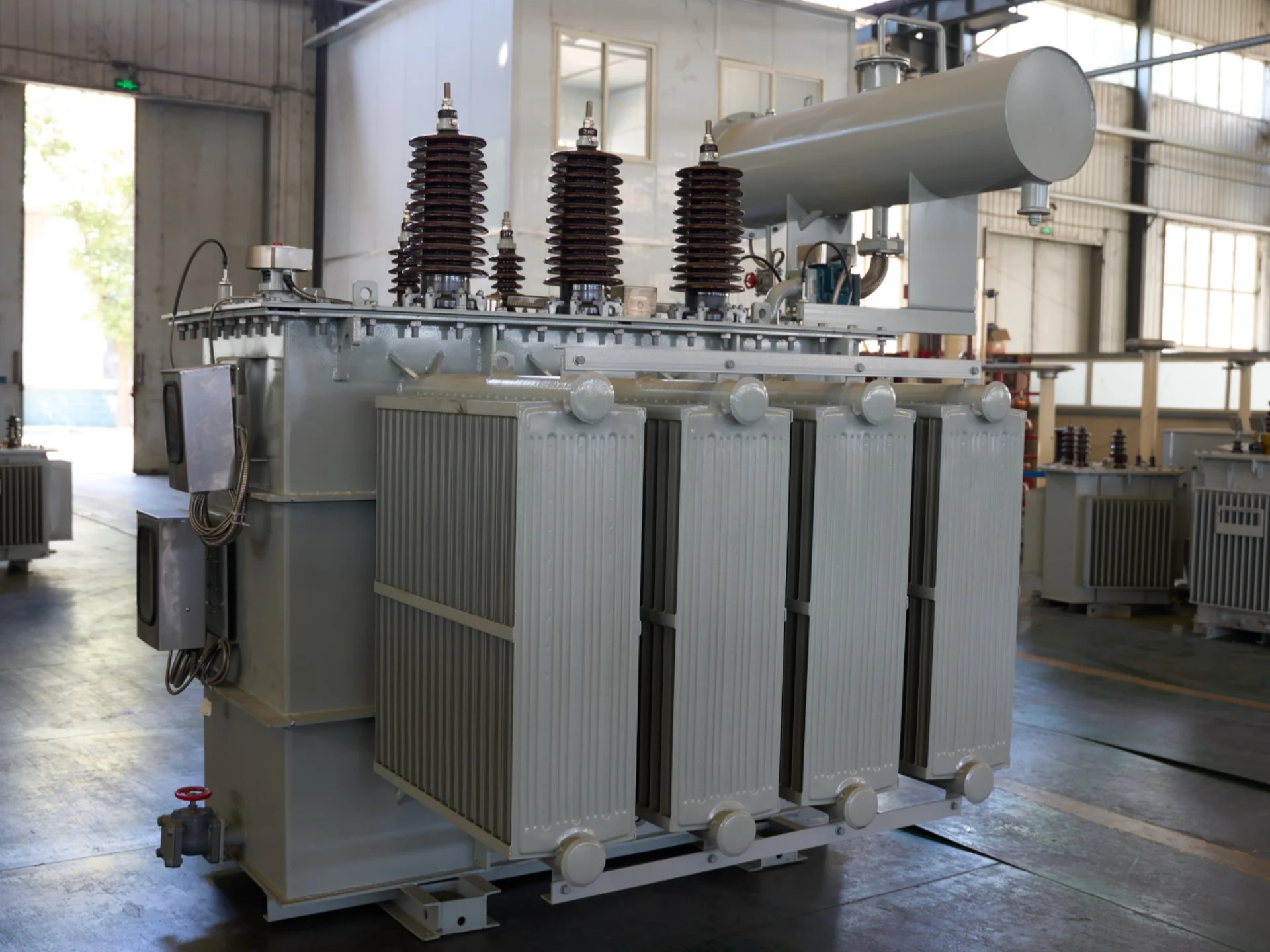
Routine Inspections: Periodic visual checks should include: verify oil level in the conservator (should be within normal range at reference temperature); check silica gel color in the breather (replace when pink); inspect bushings for cracks or tracking; listen for abnormal sounds (humming, buzzing, or intermittent noises); check for oil leaks at gaskets, welds, and valve connections . For transformers equipped with a pressure relief device, verify the indicator has not operated.
Temperature Monitoring: Winding temperature is the most critical operating parameter. The transformer is designed for a 65K temperature rise at rated load . Monitor top oil temperature and, if equipped, winding temperature indicators. The temperature controller should be calibrated periodically. For ONAN (Oil Natural Air Natural) cooling, ensure radiators are clean and unobstructed to maintain natural convection. For ONAF (Oil Natural Air Forced) units, verify fan operation.
Protection System Checks: The gas relay (Buchholz relay) should be inspected regularly. Accumulated gas must be released promptly to prevent false tripping . For new transformers, minor gas accumulation during initial operation is normal as oil releases dissolved air. The quick-acting oil pressure relay (if installed) and pressure relief valve should be tested per manufacturer schedules. Verify that the signal terminal of the gas relay is properly connected to the alarm circuit and the trip terminal to the circuit breaker.
Maintenance Scheduling: Recommended intervals include: annual—oil level check, breather inspection, thermosiphon filter check; every 3-5 years—oil sampling for DGA and electrical testing; every 5-7 years—external cleaning and bushing inspection; after fault interruption—DGA and insulation resistance testing; every 10-15 years—internal inspection (center-hoisting) and comprehensive testing .
Troubleshooting Common Issues: If oil level is low without evidence of leaks, check for breather blockage or temperature-related contraction. If DGA shows elevated hydrogen or methane, investigate possible partial discharge sources. If load loss measurements increase significantly over factory values, check for loose connections or degraded oil. Always follow lockout/tagout procedures before any internal inspection.
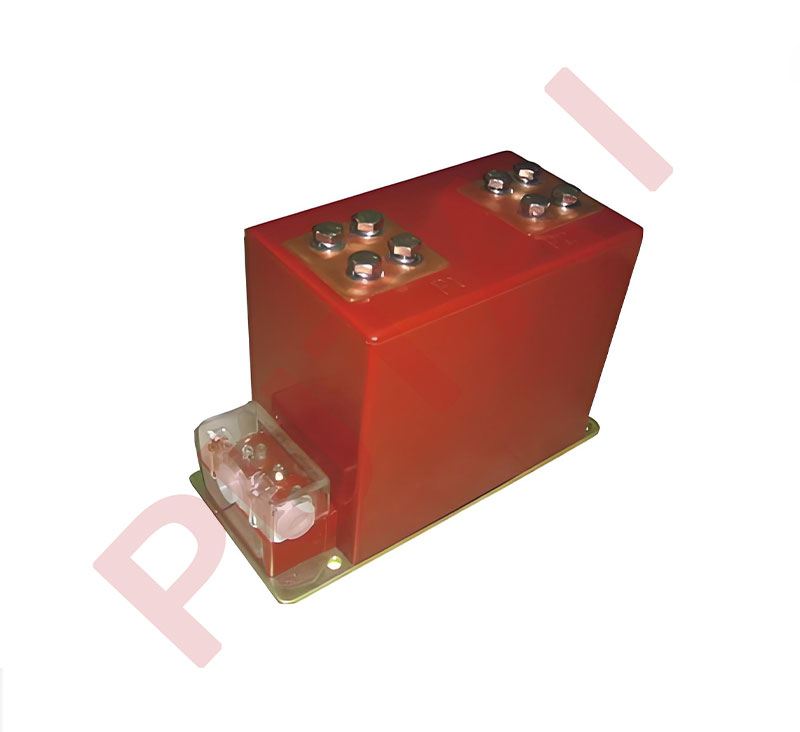
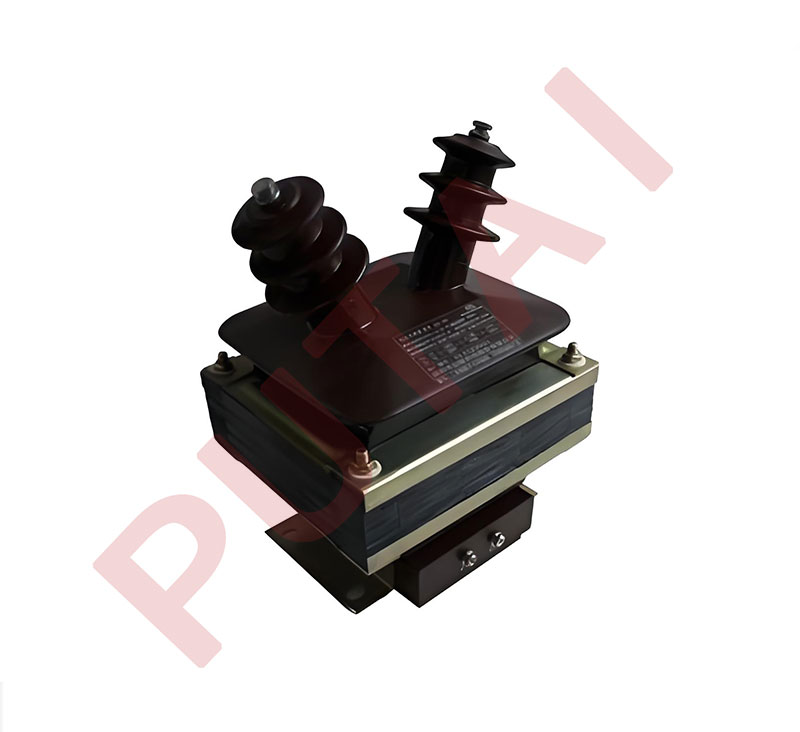
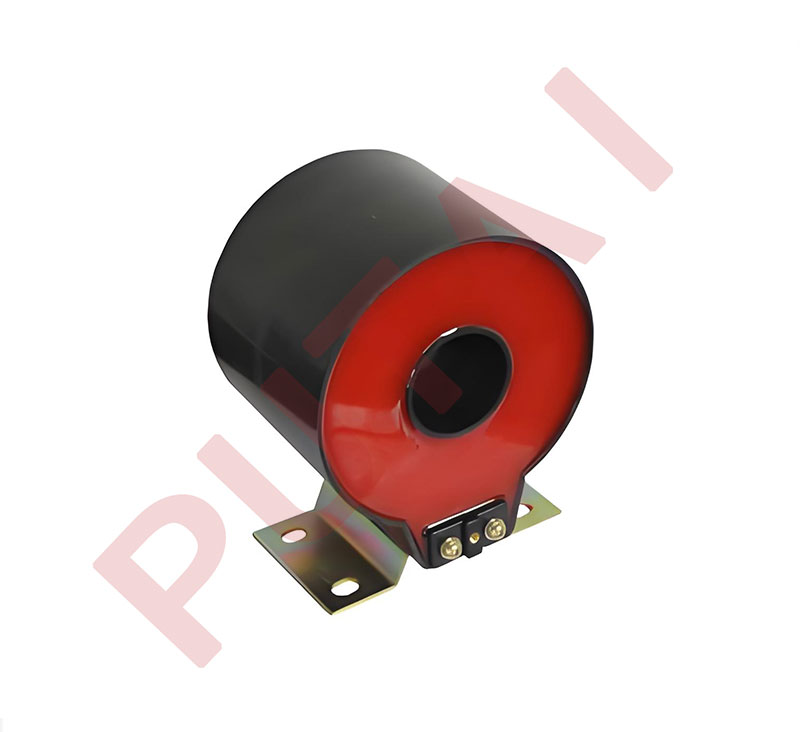
Therefore, systematic maintenance and oil quality management are essential to maximizing transformer life and preventing costly unplanned outages. Putai also supports customization and the supply of related medium-voltage accessories to meet system integration needs. For maintenance training or oil analysis services, contact our service team.
(Article content references network resources.)

 English
 Pусский
 Español