
In the critical architecture of modern 10kV power distribution systems, selecting the right switchgear is a fundamental decision that impacts safety, reliability, and long-term operational efficiency. High voltage switchgear is categorized not as a single product, but as a diverse family of equipment designed for specific applications, installation environments, and maintenance philosophies. Understanding the three primary classification methods—by enclosure structure, by circuit breaker mounting, and by installation location—is the essential first step for engineers and project planners to make an informed and optimal selection for their electrical system.
The first and most significant classification is based on the enclosure structure, which directly defines safety and protection levels. Metal-clad switchgear (type K), such as the common KYN28A-12, represents the highest safety standard, with all primary components housed in separate, grounded metal compartments. For applications requiring good isolation with some flexibility, metal-enclosed compartmental switchgear (type J) like JYN2 uses non-metallic partitions within a metal frame. The metal-enclosed box-type switchgear (type X), exemplified by XGN2-12, offers a cost-effective enclosed solution, while open-type switchgear like GG-1A(F) is used in controlled, dedicated indoor settings.
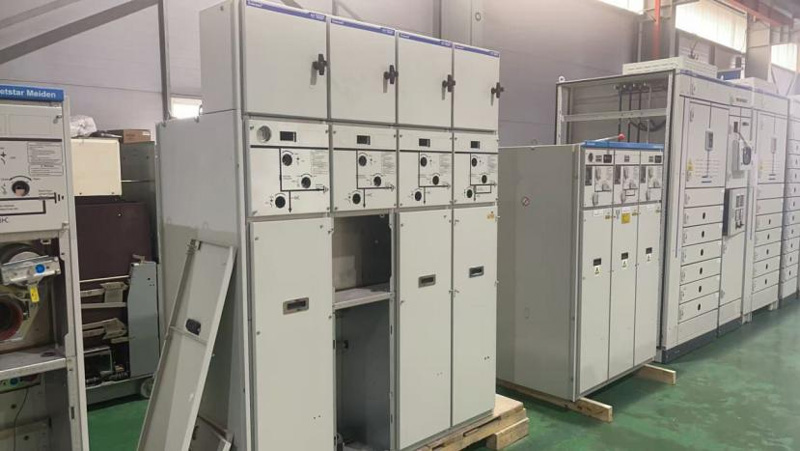
Equally critical is the choice based on the circuit breaker mounting method, which determines maintenance convenience and system availability. Withdrawable or draw-out type (type Y) switchgear, such as the KYN28A, features breakers mounted on removable trolleys. This design allows for rapid isolation, testing, and replacement of the breaker without de-energizing the entire busbar, significantly enhancing power supply continuity. In contrast, fixed-type (type G) switchgear, including models like XGN2-12, has all components permanently installed. It offers a simpler, more economical solution ideal for systems where uninterrupted power is less critical or where maintenance windows can be scheduled.
Finally, the installation location dictates the equipment's environmental resilience. Indoor-type (type N) switchgear is designed for controlled environments within buildings or substations. Outdoor-type (type W) switchgear is built with reinforced enclosures to withstand weather, moisture, and temperature fluctuations. Matching the switchgear to its operational environment is paramount for ensuring longevity and reliability. Putai Electric provides expert guidance and a range of solutions aligned with these critical selection criteria. We also support customization and the supply of related medium-voltage accessories to meet system integration needs. For a tailored switchgear solution that perfectly matches your technical and operational requirements, contact our engineering team today.
(Article content references network resources.)
 Switchgear.jpg)
.jpg)
-1.jpg)
-1.jpg)

 English
 Pусский
 Español