
The reliability of any SF6 insulated switchgear hinges on the integrity of its gas system. The PGS-12/24/40.5/630-20 features a state-of-the-art 304L stainless steel welded tank that achieves an ultra-low leakage rate of 1.1×10⁻⁷ cc/sec . This corresponds to less than a 1% pressure drop per year, ensuring maintenance-free operation for up to 30 years and significantly reducing the total cost of ownership compared to conventional designs.
The switch utilizes a comprehensive pressure management strategy with defined thresholds. At 20°C, the nominal gas pressure is set between 0.05 and 0.07 MPa (gauge) . A visible factory-calibrated gauge allows for quick visual inspection without specialized tools. To protect against extreme overpressure scenarios (e.g., internal arcing), the tank is fitted with a bursting disc that activates at 0.6 MPa (6 kgf/cm²), safely venting gases away from the operator via a designated exhaust channel, complying with internal arc classification (IAC) .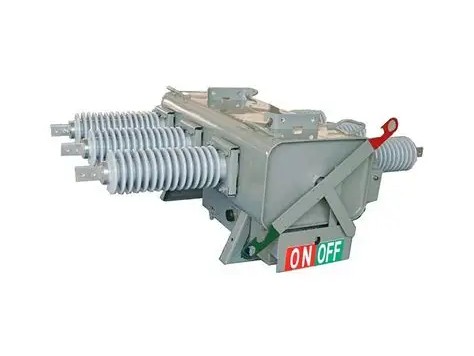
Furthermore, the PGS incorporates a low-pressure interlock. When the gas pressure drops below 0.05 MPa—which could compromise dielectric strength—the mechanism automatically locks out the closing operation . This prevents damage from operating the switch under insufficient insulation. The system also provides a visual alarm flag, giving operators a clear, unmistakable indication that the switch is out of service due to low gas.
The triangular spring energy storage mechanism is hermetically sealed within this gas-tight chamber, protecting it from corrosion and dust. This combined approach of robust tank design, precise pressure monitoring, and proactive safety interlocks makes the PGS one of the most reliable pole-mounted switches available for critical infrastructure.
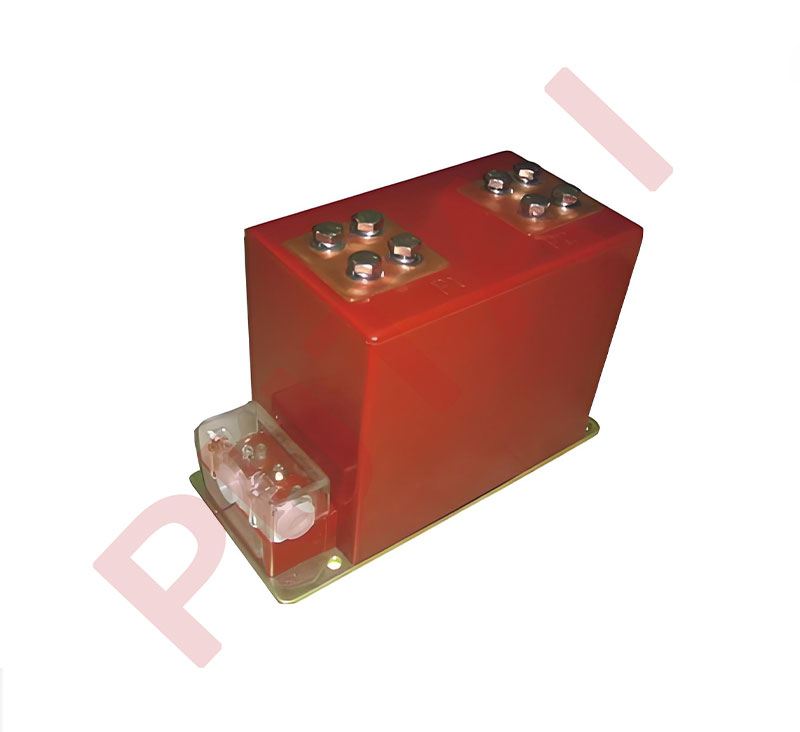
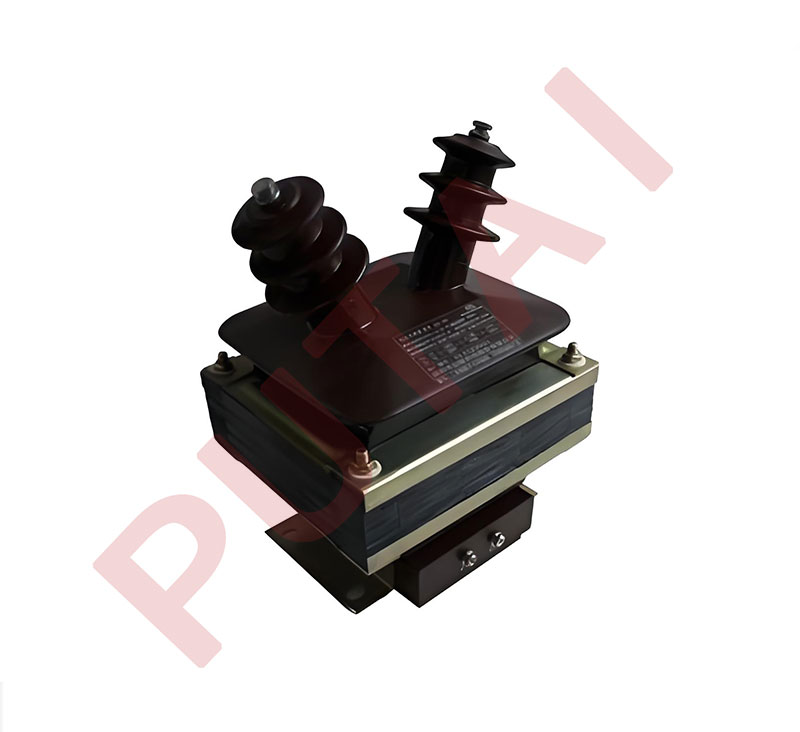
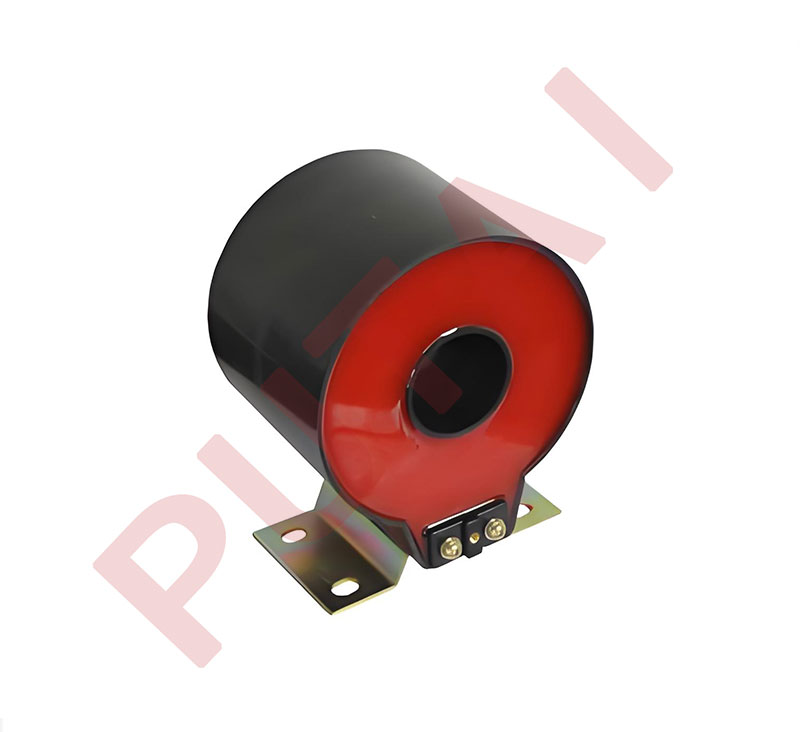
Therefore, for utilities prioritizing long-term reliability and personnel safety, the PGS series offers best-in-class SF6 management and failsafe operation. Putai also supports customization and the supply of related medium-voltage accessories to meet system integration needs.
(Article content references network resources.)

 English
 Pусский
 Español