
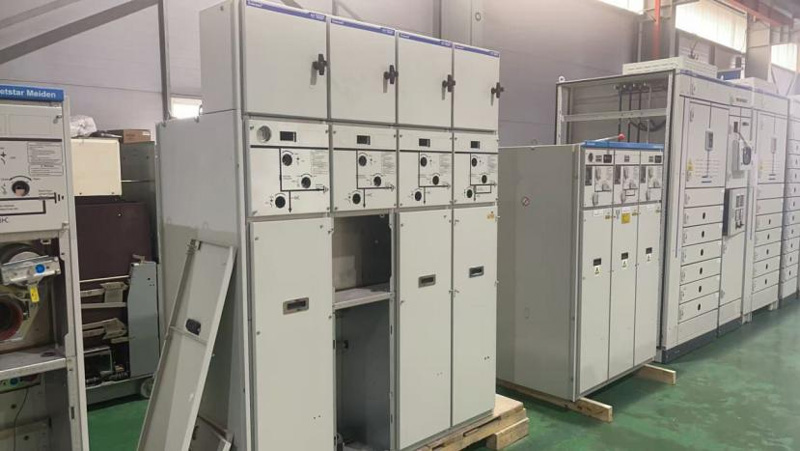
In an era where electricity is the lifeblood of industry, commerce, and daily life, ensuring its safe and reliable distribution is non-negotiable. From the power plant to the outlet on your wall, the journey of electricity is complex and fraught with risks like short circuits and overloads. This is where electrical switchgear comes into play. It is the unsung hero of power systems, an integrated assembly of switching devices and protective equipment designed to control, protect, and isolate electrical circuits.
This comprehensive guide will break down everything you need to know about the types of switchgear, from its fundamental functions to the specific categories based on voltage, insulation, and application.
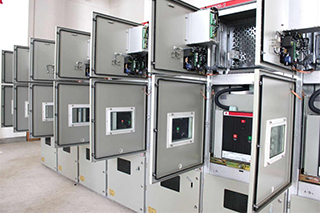
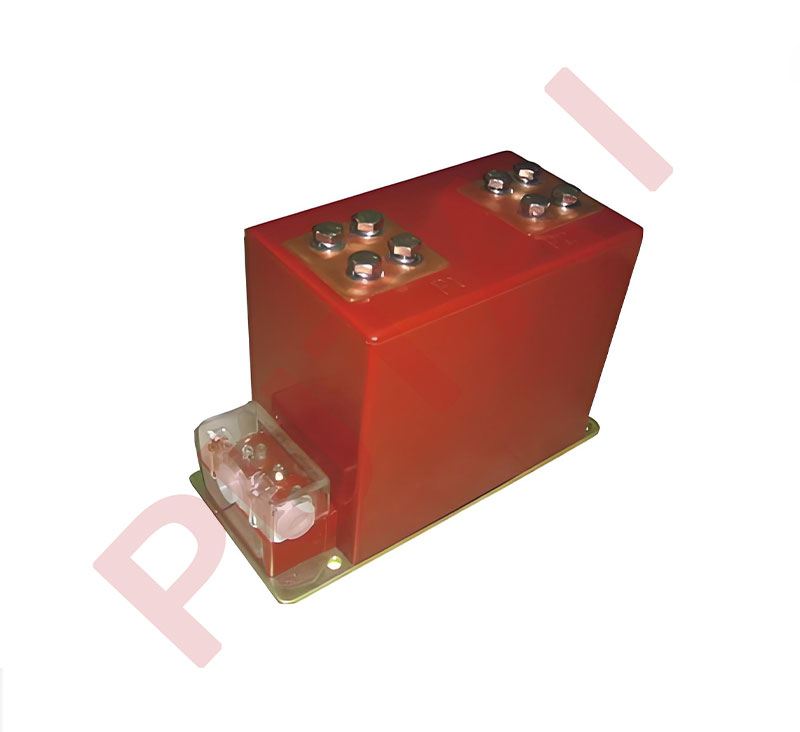
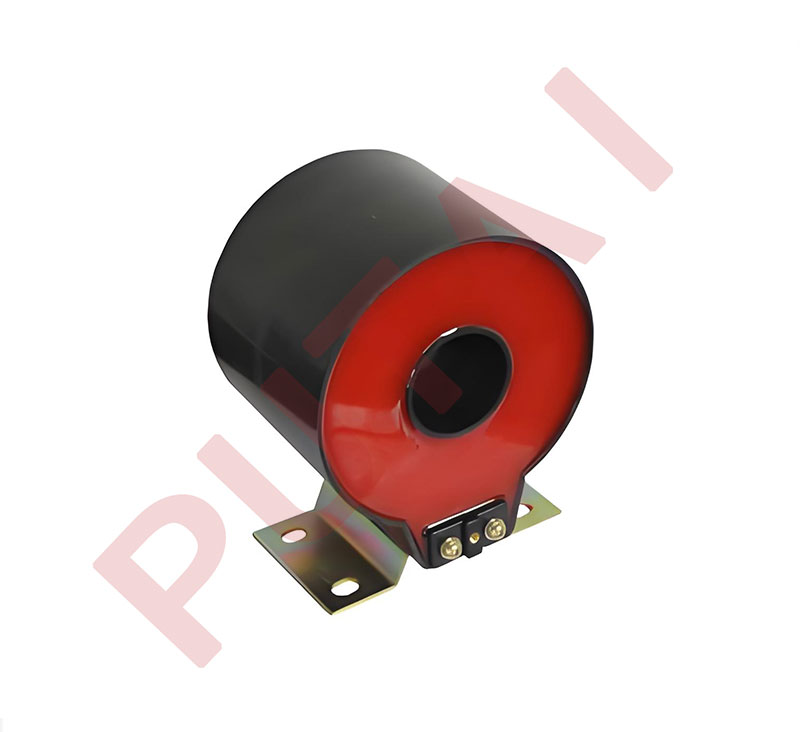
At its core, electrical switchgear is a centralized collection of devices used for switching, protecting, metering, and regulating electrical power systems . The term encompasses a broad range of equipment, including vacuum-type circuit breaker, fuses, switches, relays, isolators, and current transformers . Its primary purpose is two-fold: to allow for the safe de-energization of equipment for maintenance and to automatically clear faults downstream, preventing damage to system components and ensuring the safety of personnel .
In simple terms, if you think of an electrical circuit as a highway, switchgear acts as the traffic control system. It can route power where it's needed, but more importantly, it can instantly shut down a section where there is a major accident (fault) to prevent a system-wide catastrophe .
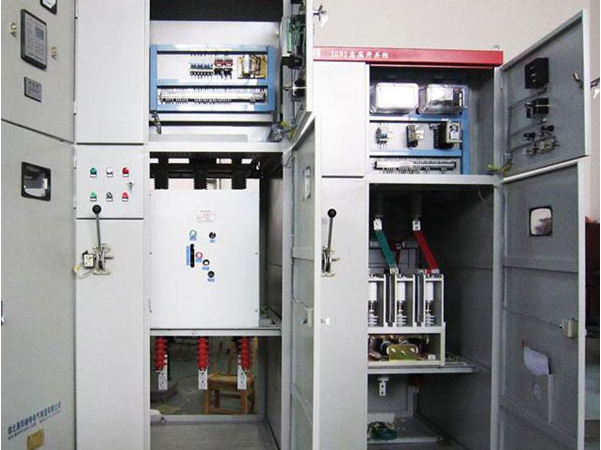
A well-designed switchgear system is characterized by several critical features, as highlighted by the leading switchgear company standards :
Absolute Efficiency: It must reliably isolate a faulty section without affecting the healthy parts of the network, ensuring continuity of supply.
High-Speed Functioning: In the event of a fault, switchgear must act rapidly to interrupt the flow of current. This swift response is vital to prevent damage to expensive equipment like generators and transformers. The entire operation is often initiated by protective relays that detect abnormal conditions and send a trip signal to the circuit breaker .
Fault Discrimination: The system must be able to differentiate between a minor fault and a major one, and between a fault on its own section and one elsewhere in the network. This selective tripping ensures only the problematic area is de-energized.
Manual Control Option: While fully automated, switchgear also provides the flexibility for manual operation during normal conditions or emergencies when the electrical control system might fail .
One of the most common and crucial ways to classify switchgear is by its voltage rating. The engineering, design, and application of switchgear vary significantly across different voltage levels.
Low voltage (LV) switchgear is used in systems where the voltage does not exceed 1,000 V AC or 1,500 V DC . This is the switchgear you would most commonly find in residential, commercial, and light industrial settings . It is typically located on the secondary (LV) side of a distribution transformer . LV switchgear includes devices like miniature circuit breakers (MCBs), molded case circuit breakers (MCCBs), air circuit breakers (ACBs), HRC fuses, and off-load isolators . Its key functions are to protect circuits from overloads and short circuits and to ensure the safety of people and equipment in these lower-voltage environments.
Medium voltage (MV) switchgear is designed for systems operating from 1 kV up to 36 kV or even up to 52 kV in some applications . This type of switchgear is the backbone of utility distribution networks and large industrial and commercial facilities, such as data centers and hospitals . MV switchgear performs critical tasks like interrupting short-circuit currents, switching inductive and capacitive currents, and providing centralized protection for motors, feeders, and transformers . Examples of MV switchgear include vacuum-type circuit breaker, gas-insulated switchgear (GIS), and metal-clad switchgear .
High voltage (HV) switchgear is the heavy-duty equipment used in transmission substations and large-scale power generation plants, handling voltages above 36 kV and often extending to 800 kV or more . At these extreme voltage levels, the arcing produced during switching operations is immense, requiring specialized and robust design . HV switchgear is almost always outdoor or gas-insulated due to the massive space required for air-insulated equipment at these voltages. Key components include high-voltage circuit breakers like SF6 or vacuum-type circuit breakers, isolators, and extensive protection and control systems .
The insulation medium used inside the switchgear enclosure is another key differentiator. It serves to protect energized components and prevent arc faults. The choice of insulation directly impacts the switchgear's size, cost, safety, and environmental footprint.
Air-Insulated Switchgear (AIS): This is the most traditional and common type, using ambient air as the primary insulation medium . AIS is known for its simplicity, cost-effectiveness, and environmental friendliness. However, air has a relatively low dielectric strength, meaning the equipment must be larger to achieve the necessary clearances between conductors. AIS is widely used in medium- and high-voltage outdoor substations but can be unsuitable for densely populated urban areas where space is at a premium .
Gas-Insulated Switchgear (GIS): GIS uses a gas with high dielectric strength, most commonly sulfur hexafluoride (SF6), to insulate the live parts . This allows for a highly compact design, reducing the footprint of a substation by up to 70% compared to AIS . GIS is ideal for urban environments, indoor installations, and harsh environmental conditions like high altitudes or corrosive atmospheres. Due to its compact, sealed design, GIS is also very reliable and requires minimal maintenance .
Oil-Insulated Switchgear (OIS): In this type, mineral oil serves as both an insulator and a coolant for the switching devices . OIS is commonly used in high-voltage applications. While it offers high dielectric strength and effective cooling, it poses environmental and fire risks due to the potential for oil leaks. Minimum oil circuit breakers, which use only a small amount of oil in the interrupting chamber, are a variant used in distribution networks .
Solid-Insulated Switchgear: This newer technology encapsulates the live parts in a solid dielectric material, typically epoxy resin, which is then coated with a conductive layer connected to ground . This design completely eliminates the risk of internal arc faults and is highly compact and environmentally friendly, as it doesn't use SF6 gas. It is gaining popularity in medium-voltage applications where safety and sustainability are top priorities .
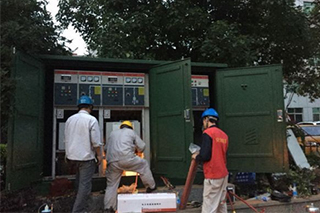
Beyond voltage and insulation, switchgear is also classified based on where and how it is installed.
Outdoor Switchgear: Typically used for voltages above 66 kV, where the size of the equipment necessitates open-air installations . It is built to withstand harsh weather conditions.
Indoor Switchgear: Used for lower voltage applications (below 66 kV), often in metal-clad or metal-enclosed forms. This type is designed for clean, climate-controlled environments and is commonly found in industrial plants and commercial buildings .
Metal-Enclosed Switchgear: This is a general term for switchgear housed in a metal cabinet . It includes circuit protection devices but may not have separate, compartmentalized barriers for each component.
Metal-Clad Switchgear: A more robust type of medium-voltage switchgear where all major components (bus, breaker, cable terminations) are housed in their own individual, grounded metal compartments . This provides an extra level of safety, durability, and ease of maintenance. It typically features draw-out circuit breakers, allowing them to be safely removed for servicing while the rest of the system remains energized .
An RMU is a compact, metal-enclosed switchgear unit used in distribution networks, often forming part of a ring-type supply . It typically contains two switches to connect a load to either of two primary conductors and a fuse-switch or circuit breaker to protect a distribution transformer. RMUs are known for their reliability and small size, making them a popular choice for secondary substations in urban and industrial load centers .
Among the various switching devices, the vacuum-type circuit breaker (VCB) holds a place of high importance, particularly in medium-voltage applications. As noted by industry experts and leading switchgear company resources, a VCB is a specific type of circuit breaker where the arc quenching occurs in a vacuum . This offers several distinct advantages :
High Reliability and Low Maintenance: The vacuum interrupter requires minimal maintenance over its long service life.
Fast Operation: VCBs can interrupt fault currents exceptionally quickly, providing superior protection to system components.
Compact Design: They are significantly smaller than equivalent air- or oil-based circuit breakers.
Sustainable: VCBs are considered an environmentally friendly choice because they do not use greenhouse gases like SF6 or pose an oil-leak hazard .
Due to these attributes, vacuum circuit breakers are the preferred choice for fault clearing in generators, substations, and operations requiring high switching sequences .
Selecting the right electrical switchgear is a critical decision that impacts the safety, reliability, and efficiency of any power system. The choice depends on a multitude of factors, including the voltage level, the application (indoor/outdoor), environmental conditions, and the available space.
From the humble low-voltage switchboard in a home to the complex gas-insulated substations powering a metropolis, switchgear is the silent guardian of our electrical world. The evolution of the industry continues, with a growing emphasis on compact, environmentally friendly, and intelligent solutions like solid-insulated switchgear and advanced vacuum circuit breakers. Understanding these types is the first step in ensuring your systems are protected by the best technology available. For tailored solutions, consulting with a reputable switchgear company is essential to address the specific needs of your industrial, commercial, or utility applications.

 English
 Pусский
 Español