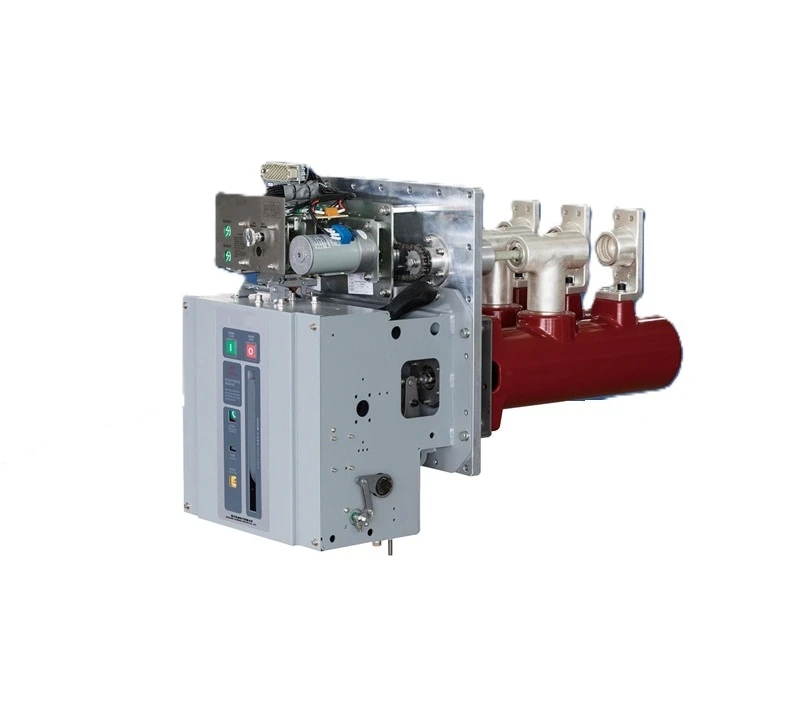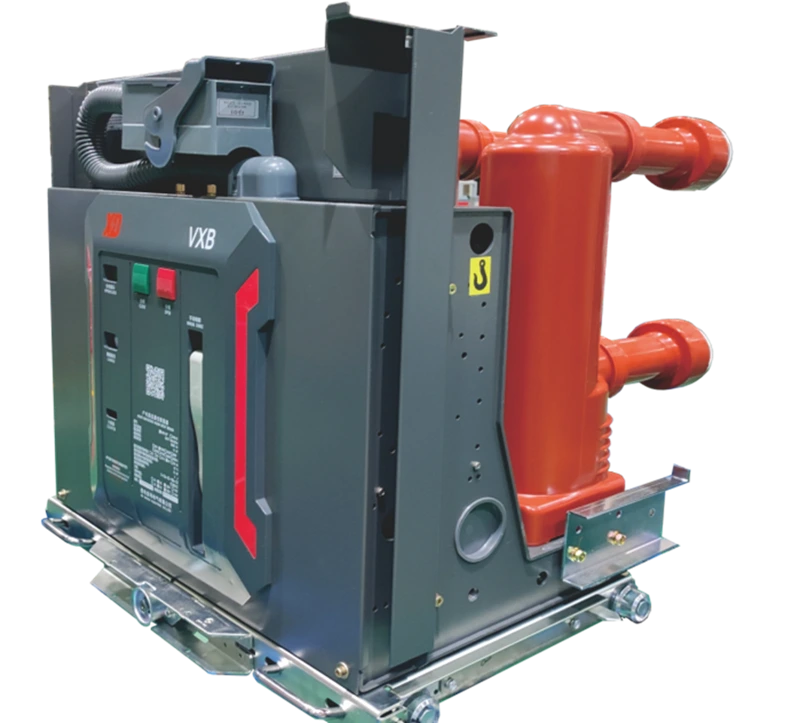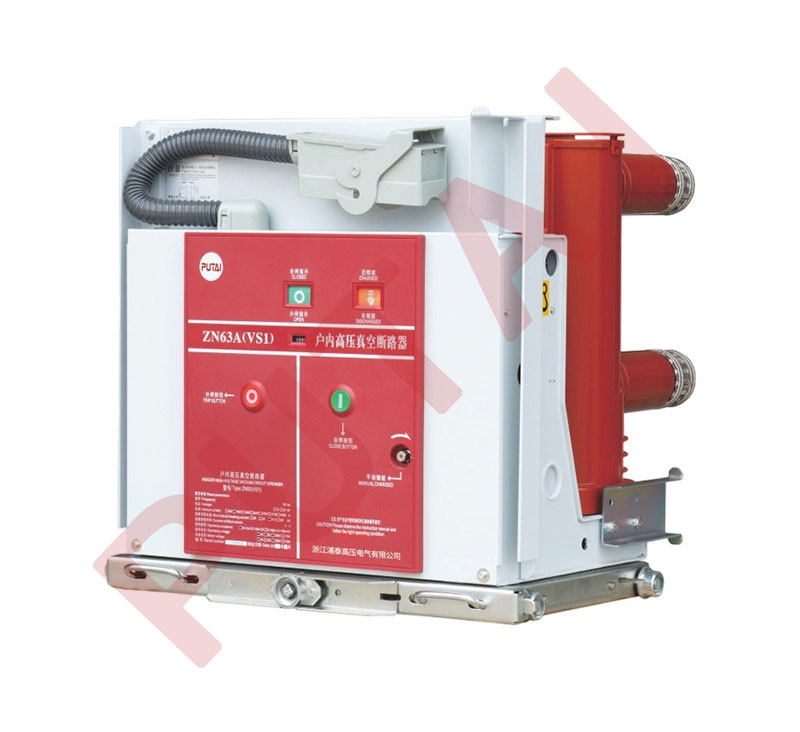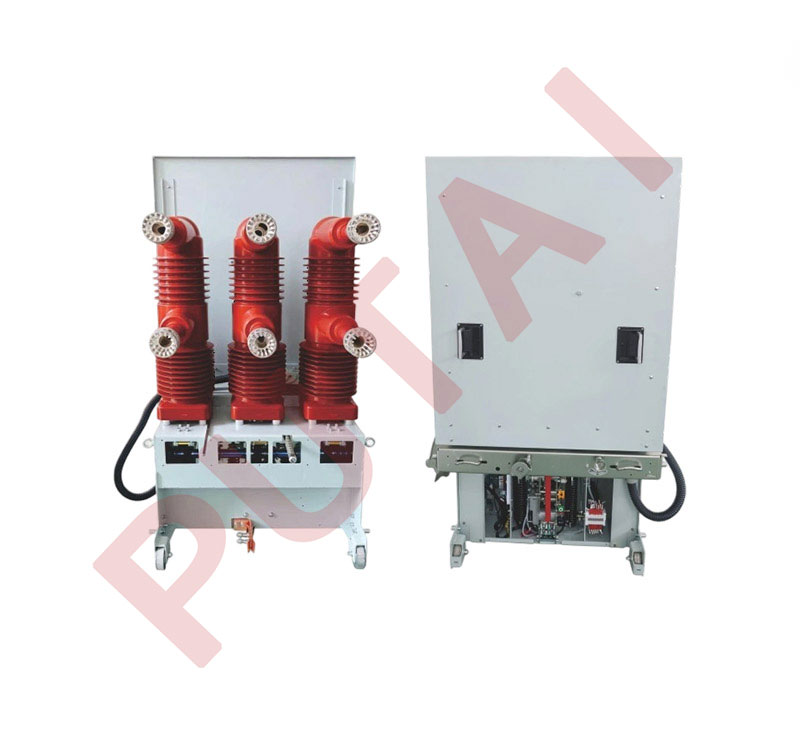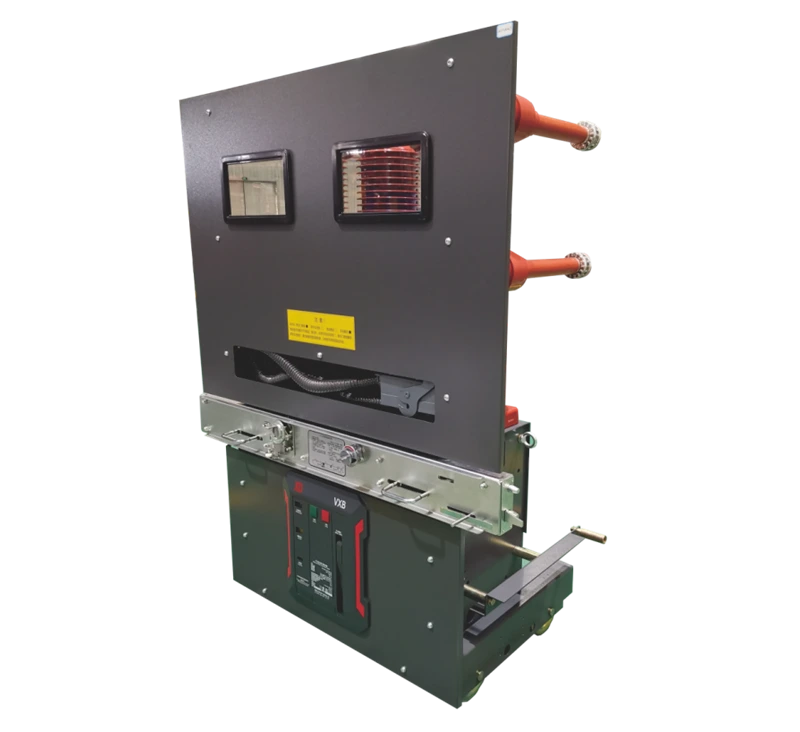


The VXB-40.5P series indoor high-voltage AC vacuum circuit breaker is designed for power systems with a rated voltage of 40.5 kV and a three-phase AC frequency of 50 Hz. It is a brand-new vacuum circuit breaker independently developed by our company through optimized design.
Designed with a truck-mounted (withdrawable) structure, the circuit breaker can be used in conjunction with KYN61-40.5 switchgear. Equipped with a complete and reliable interlocking mechanism, it fulfills the "Five-Prevention" (five safety interlocks) requirements, making it particularly suitable for the protection and control of electrical facilities in industrial and mining enterprises, as well as substations.
Ambient Temperature: -15°C to +40°C
Altitude: ≤ 2000 m (customizable up to 4000 m upon request)
Relative Humidity:
Daily average: ≤ 95%
Monthly average: ≤ 90%
Seismic Intensity: ≤ 8 degrees (on the MMI scale)
Operating Environment: Free from fire hazards, explosion risks, severe contamination, chemical corrosion, and violent vibrations.
Special Conditions: For operation beyond the above environmental parameters, please consult the manufacturer.
Circuit breaker testing mainly consists of Type Tests and Routine Tests.
Type Tests are comprehensive evaluation tests conducted to verify product performance and compliance with national/international standards. They apply to newly developed products, transferred production, products with major design modifications, and periodic quality audits.
Routine Tests are mandatory inspection items for every individual unit prior to leaving the factory, ensuring product quality compliance.
Type tests shall be performed under any of the following circumstances:
Scope of Testing
Type Tests cover comprehensive evaluations including mechanical performance, insulation performance, temperature-rise tests, short-time withstand current and peak withstand current tests (dynamic and thermal stability tests), and capacitive current switching tests.
Routine Tests typically involve basic electrical performance tests and safety inspections, including insulation tests on the main circuit, tests on auxiliary and control circuits, measurement of main circuit resistance, design and visual checks, as well as mechanical operation tests.


 English
 Pусский
 Español