
In medium-voltage and high-voltage power distribution networks, ensuring uninterrupted power delivery while maintaining operational safety is paramount. Modern power systems rely heavily on versatile switchgear components to control, protect, and isolate electrical circuits. Among these vital components, the Load Break Switch (LBS) plays a critical bridging role between basic disconnectors (isolators) and complex circuit breakers.
Whether you are designing a compact Ring Main Unit (RMU), managing an industrial substation, or specifying equipment for renewable energy installations, understanding how a load break switch operates is essential for grid safety and efficiency.
In this comprehensive guide, we will explore what a load break switch is, how it works, its primary classifications, cost factors, and how it compares to other medium-voltage switching devices.
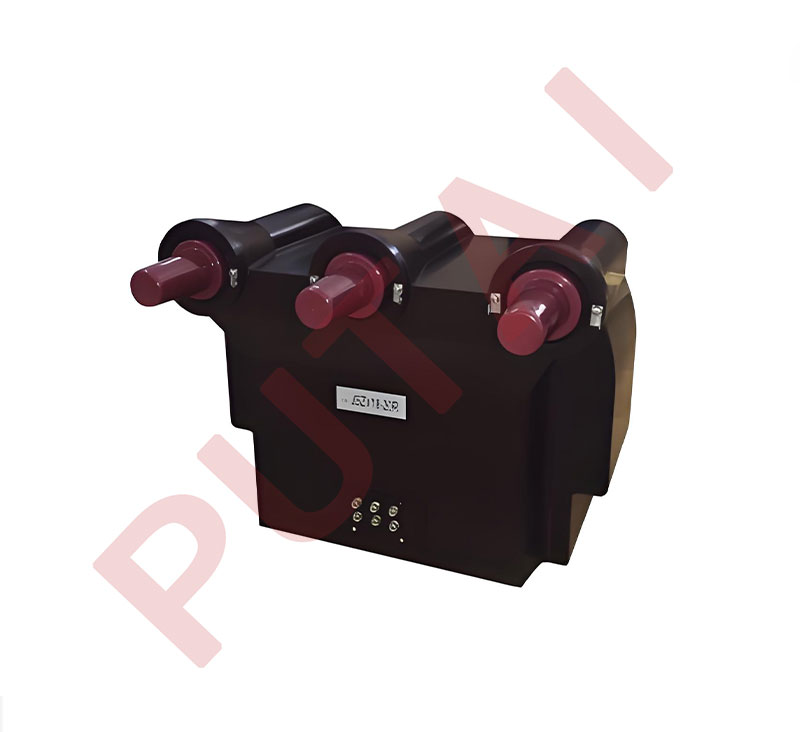
.jpg)
A Load Break Switch (LBS) is an electromechanical switching device specifically engineered to safely make, carry, and interrupt continuous load currents under normal circuit conditions.
Unlike a basic disconnector or isolator, which can only be operated when no current is flowing (off-load), a load break switch features built-in arc-extinguishing chambers. This allows operators to open or close circuits live—while current is actively flowing—without causing dangerous electrical arcing.
Power System Devices
| Device Type | Switching under Normal Load? | Fault Interruption? |
| Isolator Switch | No (Off-load only) | No |
| Load Break Switch | Yes (Normal load currents) | Only with Fuse |
| Circuit Breaker | Yes | Yes (Full Short) |
When paired with high-interrupting-capacity fuses, a load break switch can also provide short-circuit fault protection, serving as a highly cost-effective alternative to a full MV circuit breaker in secondary distribution systems.
The core functionality of a load break switch relies on rapid contact movement combined with an effective arc-quenching medium.
Contact Separation: When the operator or motor mechanism initiates an opening command, the primary contacts separate.
Arc Generation: As contacts pull apart under load, an electrical arc instantly forms across the air or gas gap.
Arc Extinction: The switch directs the arc into a specialized arc chute or sealed chamber. Modern media—such as sulfur hexafluoride (SF6) gas, vacuum interrupters, or compressed air—cools and deionizes the plasma channel within milliseconds, successfully breaking the current flow.
Under international standards such as IEC 62271-103 (High-voltage switches) and IEEE C37.74, a high-quality load break switch performs four main functions:
Normal Load Making and Breaking: Interrupters handle continuous rated currents (typically 630A to 1250A) smoothly.
Capacitive & Inductive Current Switching: Handles small inductive loads (unloaded voltage transformer units or power transformers) and capacitive loads (overhead cables) without voltage restrikes.
Short-Circuit Making Capacity: Capable of closing safely against a short-circuit fault without mechanical failure or contact welding before protective devices clear the fault.
Safe Physical Isolation: Provides visible or positive break indication ensuring safety for downstream maintenance technicians.

Leading load break switch manufacturers classify LBS units primarily by their insulation and arc-extinguishing medium.
| LBS Type | Insulation / Arc Medium | Best Applications | Key Advantages |
| SF6 Load Break Switch | Sulfur Hexafluoride( SF6) Gas | Gas-Insulated Switchgear (GIS), Ring Main Units (RMU) | Compact footprint, maintenance-free, high dielectric strength. |
| Air Load Break Switch | Ambient or Compressed Air | Air-Insulated Switchgear (AIS), Outdoor Substation Frames | Simple structure, low initial cost, easy visual inspection. |
| Vacuum Load Break Switch | High-Vacuum Interrupter | Frequently Operated Networks, Indoor MV Panels | Long mechanical life, environmentally friendly, rapid quenching. |
An SF6 load break switch utilizes sulfur hexafluoride gas sealed inside a stainless-steel enclosure. SF6 offers exceptional dielectric performance, making these units ideal for modern compact indoor substations, urban distribution rings, and harsh environmental conditions.
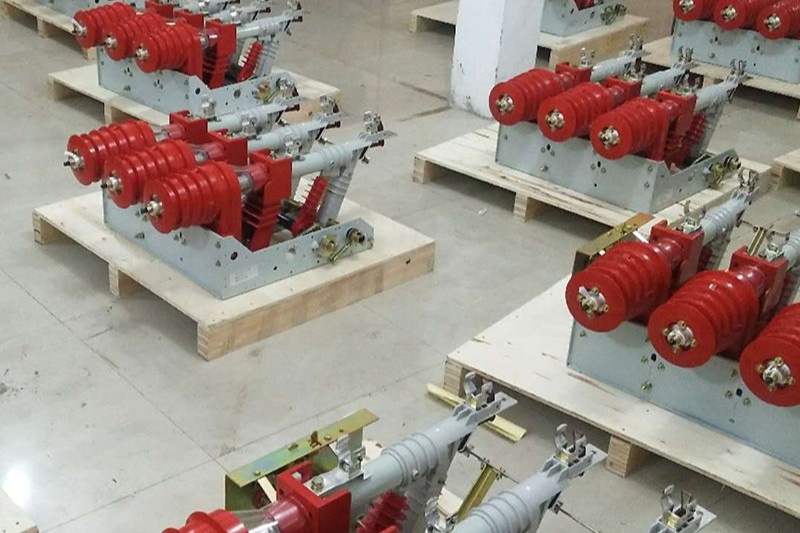
An air load break switch relies on atmospheric or blown air to quench arcs created during contact separation. While visually accessible and cost-efficient, air-insulated switches require larger phase clearance and periodic maintenance.
Engineers often weigh the choice between a load break switch (LBS) and a medium-voltage circuit breaker. While both serve as crucial switchgear components, their capabilities and costs differ significantly.
Current Interruption: An MV circuit breaker is designed to interrupt massive short-circuit fault currents repeatedly (e.g., 25kA – 40kA). An LBS handles standard continuous operating currents (e.g., 630A).
Control & Relaying: Circuit breakers integrate with external protection relays and current/voltage transformers for dynamic curve tripping. An LBS typically relies on a mechanical striker fuse mechanism for overload protection.
Cost Difference: A complete MV circuit breaker assembly can cost two to three times more than an equivalent LBS setup.

Understanding the load break switch price structure helps procurement managers optimize equipment budgets without sacrificing safety or compliance.
Voltage & Current Rating: Switches rated for 12kV, 24kV, or 36kV carry varying price points based on insulation clearances and contact mass.
Arc Extinguishing Medium: Vacuum and SF6 switches command higher upfront prices than traditional air-insulated models, but offer substantially lower lifecycle maintenance costs.
Motorization & Accessories: Manual handle-operated units are budget-friendly, while motorized LBS units equipped with auxiliary switches, shunt trips, and remote SCADA interfaces increase equipment costs.
Procurement Tip: When sourcing equipment, partner with established medium voltage switchgear manufacturers or global OEM suppliers . Certified manufacturers provide full type-test certificates according to IEC/IEEE standards, ensuring system longevity and operational safety.
A: No. A standard load break switch is designed to interrupt normal continuous load currents, not short-circuit fault currents. However, when an LBS is combined with high-interrupting-capacity current-limiting fuses (LBS-Fuse combination), the fuse clears the short-circuit fault while triggering the switch to open all three phases simultaneously.
A: An isolator (disconnector) has no arc-extinguishing capability and must never be opened while current is flowing (off-load operation only). In contrast, a load break switch features arc-quenching chambers and quick-break mechanisms that allow safe opening and closing while carrying live normal load currents.
A: An air load break switch is suitable for open-air installations, dry environments, or applications where upfront capital cost is the primary consideration. An SF6 load break switch is preferred for compact indoor panels, Ring Main Units (RMUs), humid or corrosive outdoor environments, and applications requiring minimal long-term maintenance due to its sealed chamber design.
A Load Break Switch is a versatile, reliable, and cost-effective switching device that forms the backbone of secondary power distribution switchgear. By understanding the operational requirements of your grid—whether integrating an SF6 load break switch into a compact RMU or specifying an air load break switch for an overhead feeder—you can select the right equipment to ensure both grid reliability and safety.
For customized system configurations, detailed technical datasheets, or competitive price quotes on medium-voltage switchgear components, contact our certified manufacturer or regional distributor today.

 English
 Pусский
 Español