
When selecting high-voltage circuit breakers for transmission and distribution networks, engineers often face a fundamental choice between two main structural types: the Dead Tank (or Dead Tank) Circuit Breaker and the Live Tank (or Porcelain-Clad) Circuit Breaker. This choice significantly impacts the equipment's footprint, maintenance strategy, and suitability for specific environmental conditions. Understanding their distinct design philosophies is key to optimizing system layout, reliability, and total cost of ownership.
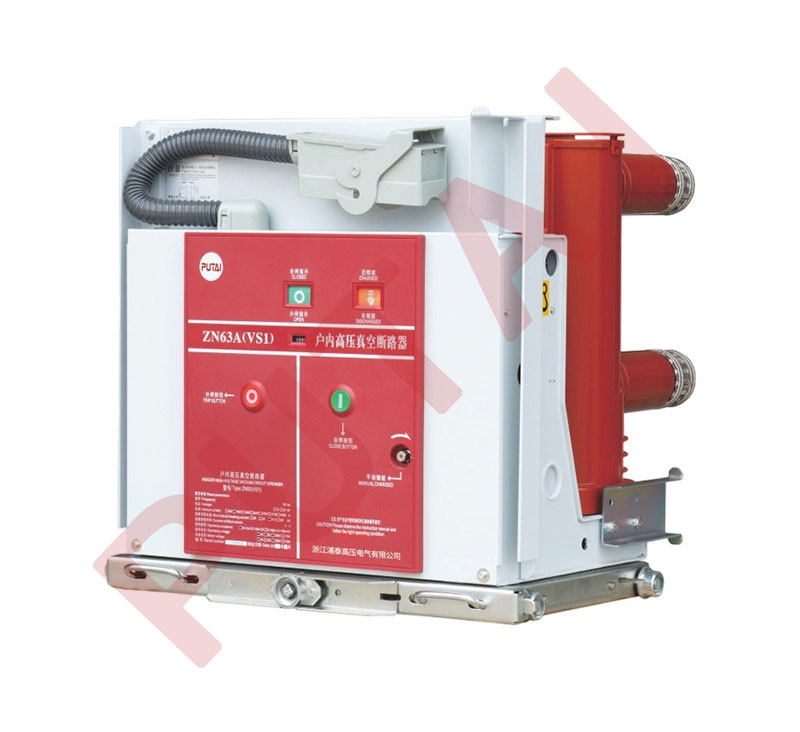
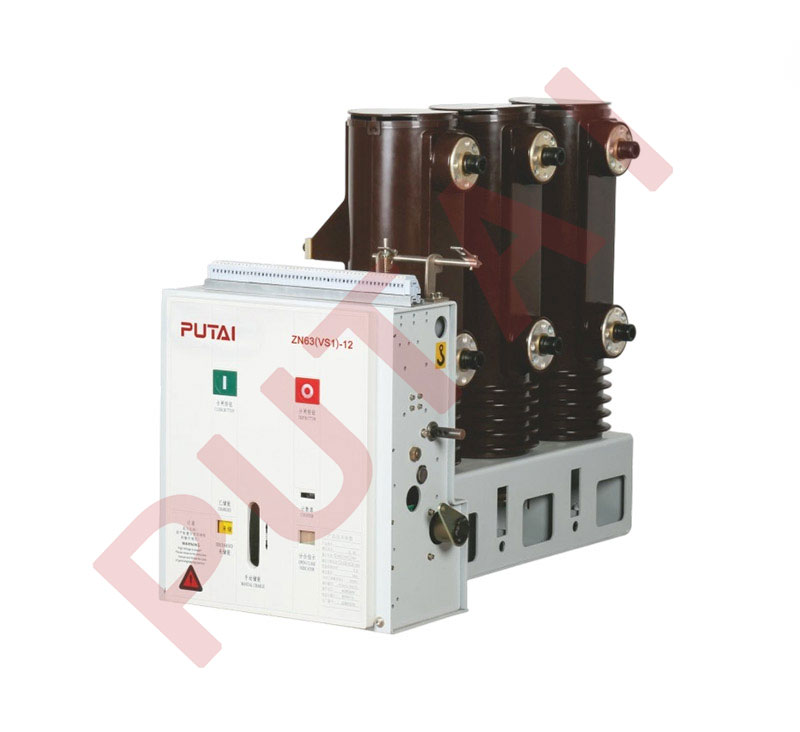
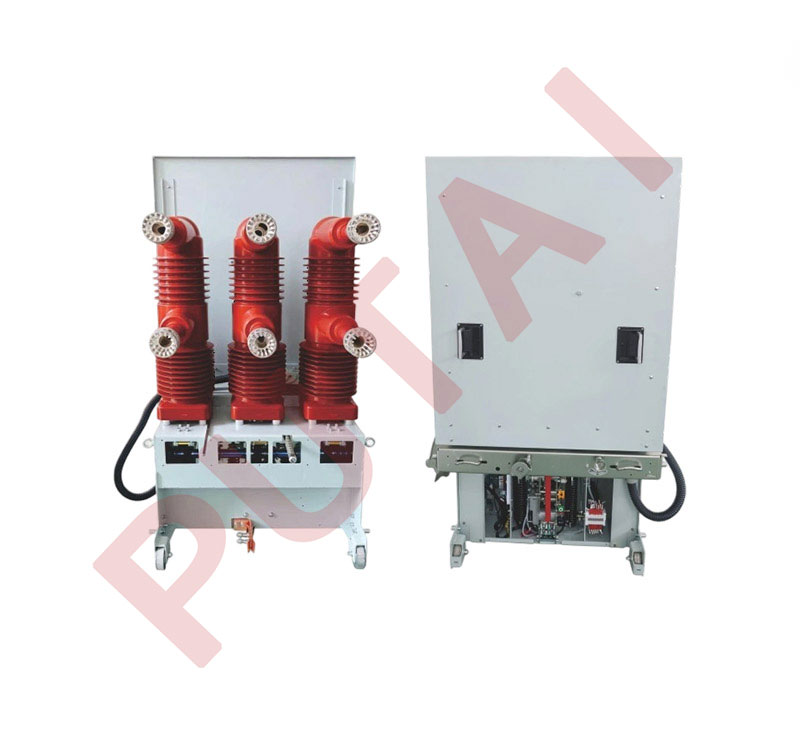
The core distinction lies in the placement of the interrupting chamber and its relationship to ground potential. A Live Tank Circuit Breaker features a design where the interrupting chamber (arc extinguisher) is housed at the top of one or more porcelain or composite insulator columns. This structure is live at system voltage, hence the name. Its assembly is often modular, allowing voltage ratings to be scaled by stacking identical interrupter units. In contrast, a Dead Tank Circuit Breaker encloses the interrupting chamber inside a grounded metal tank, which is typically filled with insulating gas like SF6 or dry air. The high-voltage connections are brought out through bushings mounted on this tank.

These structural differences lead to direct practical implications. The Live Tank design, with its exposed interrupter columns, generally has a larger footprint and is more susceptible to environmental factors like pollution, icing, and seismic activity. However, its modularity offers strong series commonality for different voltage levels. The Dead Tank design excels in compactness and robustness. Its grounded enclosure provides superior resistance to harsh environments, seismic stress, and pollution. A major integrated advantage is the ability to easily house current transformers (CTs) around the bushings within the tank, saving significant space in the substation layout compared to the separate CTs required for Live Tank breakers.
Therefore, the selection is application-driven. Dead Tank Circuit Breakers are often preferred for space-constrained urban substations, areas with high pollution or seismic activity, and modern gas-insulated switchgear (GIS) lines, where their compactness and integrated CTs are decisive. Live Tank Circuit Breakers are well-suited for open-air switchyards with more space, especially at the highest voltage levels (e.g., 550kV and above), where their modular design can be advantageous. Putai also supports customization and the supply of related medium-voltage accessories to meet system integration needs. Consulting with our engineering team will ensure you select the optimal breaker type for your specific voltage, environmental, and spatial requirements.
(Article content references network resources.)

 English
 Pусский
 Español