
In electrical protection the circuit breakers ability to safely extinguish the arc generated when interrupting a current is its most critical function The arc is a high-temperature highly conductive plasma that forms as contacts separate Without effective control it can sustain the current flow causing severe damage to contacts and insulation and potentially leading to equipment failure Successful arc extinction relies on rapidly cooling and de-ionizing this plasma to restore the insulating strength of the contact gap which is the core principle behind all modern interruption technologies.
Different breaker types employ distinct arc extinction mediums and methods to achieve this In oil circuit breakers the arc decomposes the insulating oil generating high-pressure hydrogen gas that elongates and cools the arc Air blast circuit breakers use compressed air to forcefully blast and stretch the arc through nozzles in a process called forced arc extinction Each medium has unique dielectric and thermal properties that determine its application voltage and breaking capacity.
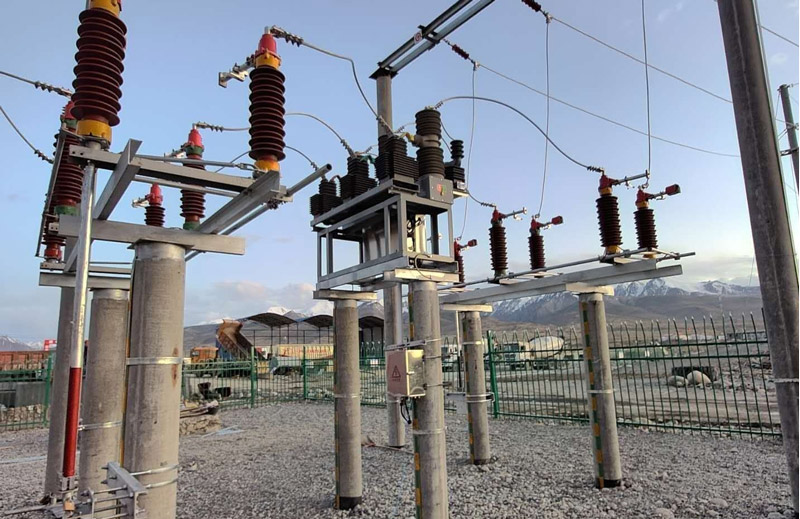
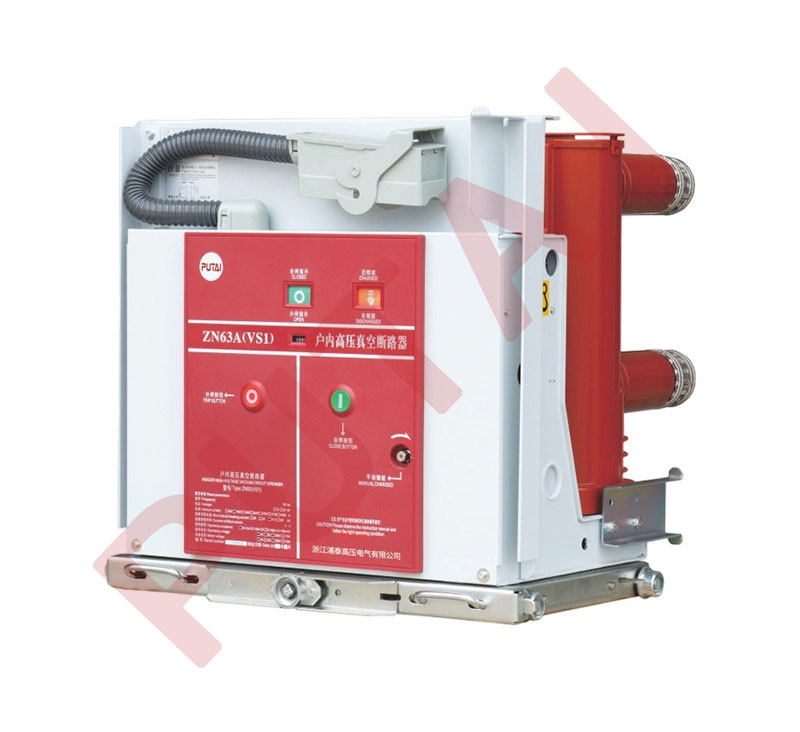
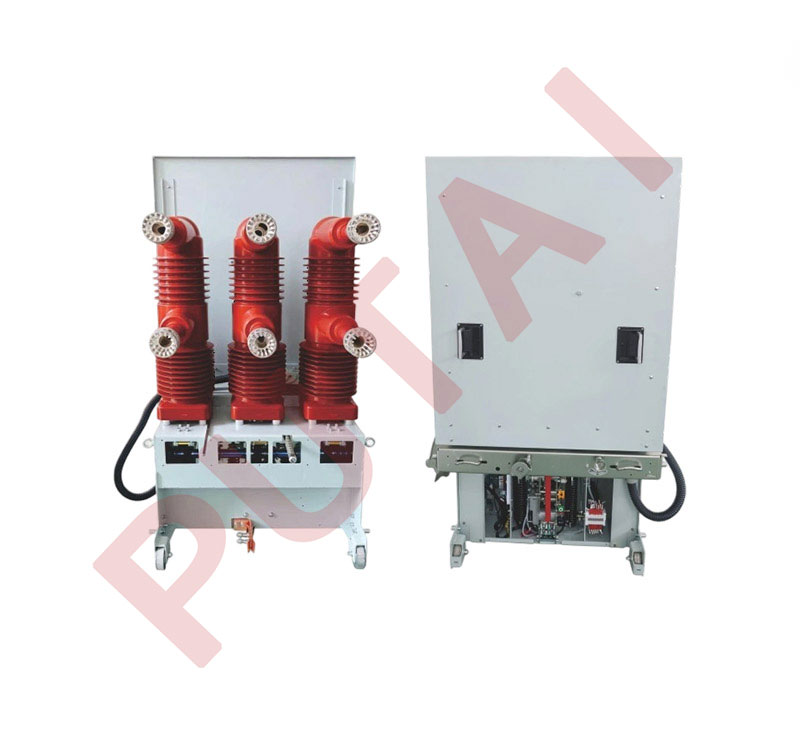
For most modern medium-voltage applications the vacuum circuit breaker is the superior choice Its vacuum interrupter operates in a near-perfect vacuum where the lack of ionizable particles means the arc cannot be sustained after a current zero crossing achieving natural current zero interruption This results in minimal contact erosion extremely fast operation and a maintenance-free sealed design making it ideal for frequent switching and high-reliability scenarios.
Therefore understanding arc extinction is key to selecting the right protection technology for your system Putai also supports customization and the supply of related medium-voltage accessories to meet system integration needs For reliable circuit protection built on advanced interruption technology contact our engineering team for expert guidance.
(Article content references network resources.)

 English
 Pусский
 Español