Industry
Exhibitions
Companys

The Difference Between Dead Tank and Live Tank Circuit Breakers

12 31, 2025
Posted By: Peter

When selecting high-voltage circuit breakers for transmission and distribution networks, engineers often face a fundamental choice between two main structural types: the Dead Tank (or Dead Tank) Circuit Breaker and the Live Tank (or Porcelain-Clad) Circuit Breaker. This choice significantly impacts the equipment's footprint, maintenance strategy, and suitability for specific environmental conditions. Understanding their distinct design philosophies is key to optimizing system layout, reliability, and total cost of ownership.


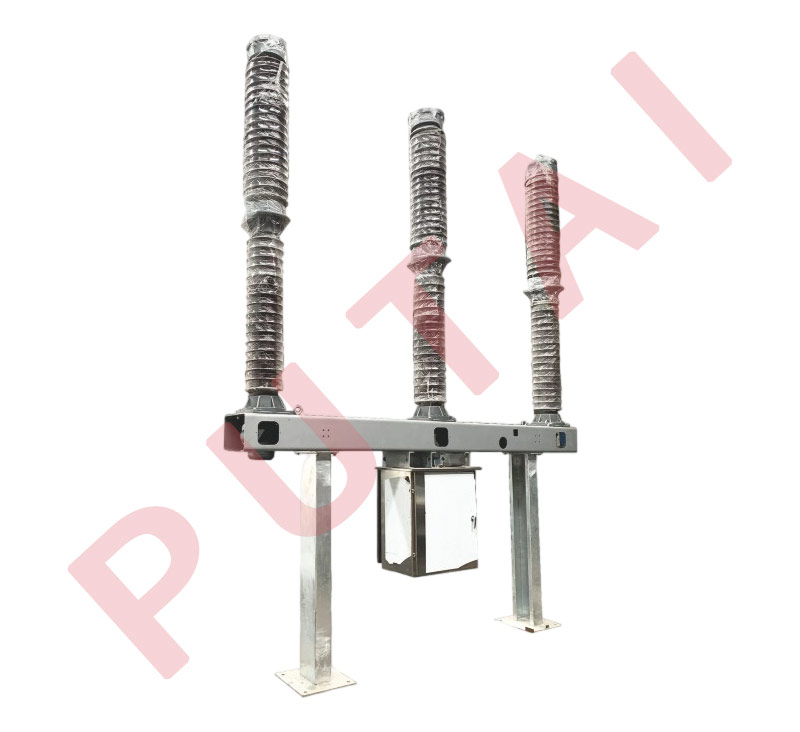
The core distinction lies in the placement of the interrupting chamber and its relationship to ground potential. A Live Tank Circuit Breaker features a design where the interrupting chamber (arc extinguisher) is housed at the top of one or more porcelain or composite insulator columns. This structure is live at system voltage, hence the name. Its assembly is often modular, allowing voltage ratings to be scaled by stacking identical interrupter units. In contrast, a Dead Tank Circuit Breaker encloses the interrupting chamber inside a grounded metal tank, which is typically filled with insulating gas like SF6 or dry air. The high-voltage connections are brought out through bushings mounted on this tank.


The Difference Between Dead Tank and Live Tank Circuit Breakers


These structural differences lead to direct practical implications. The Live Tank design, with its exposed interrupter columns, generally has a larger footprint and is more susceptible to environmental factors like pollution, icing, and seismic activity. However, its modularity offers strong series commonality for different voltage levels. The Dead Tank design excels in compactness and robustness. Its grounded enclosure provides superior resistance to harsh environments, seismic stress, and pollution. A major integrated advantage is the ability to easily house current transformers (CTs) around the bushings within the tank, saving significant space in the substation layout compared to the separate CTs required for Live Tank breakers.


Therefore, the selection is application-driven. Dead Tank Circuit Breakers are often preferred for space-constrained urban substations, areas with high pollution or seismic activity, and modern gas-insulated switchgear (GIS) lines, where their compactness and integrated CTs are decisive. Live Tank Circuit Breakers are well-suited for open-air switchyards with more space, especially at the highest voltage levels (e.g., 550kV and above), where their modular design can be advantageous. Putai also supports customization and the supply of related medium-voltage accessories to meet system integration needs. Consulting with our engineering team will ensure you select the optimal breaker type for your specific voltage, environmental, and spatial requirements.


(Article content references network resources.)
Main News
09 Jul, 2026
What Are the Types of Switchgear? A Comprehensive Guide for 2026
In an era where electricity is the lifeblood of industry, commerce, and daily life, ensuring its safe and reliable distribution is non-negotiable. From the power plant to the outlet on your wall, the
View More
29 Jun, 2026
ZW32 15 6kV Extreme Climate Design for Coastal and Harsh Environments
The ZW32-15.6kV Outdoor Pole Mounted Vacuum Auto Recloser is engineered to withstand the harshest environmental conditions, making it the ideal choice for coastal installations, industrial zones, and
View More
24 Jun, 2026
Why Pole Mounted Reclosers Are Essential in Modern Distribution Networks
As power distribution networks become more complex and customer expectations for uninterrupted electricity continue to rise, utilities face increasing pressure to improve reliability, reduce outage du
View More
Experts Provide Services For You!
More Related Products
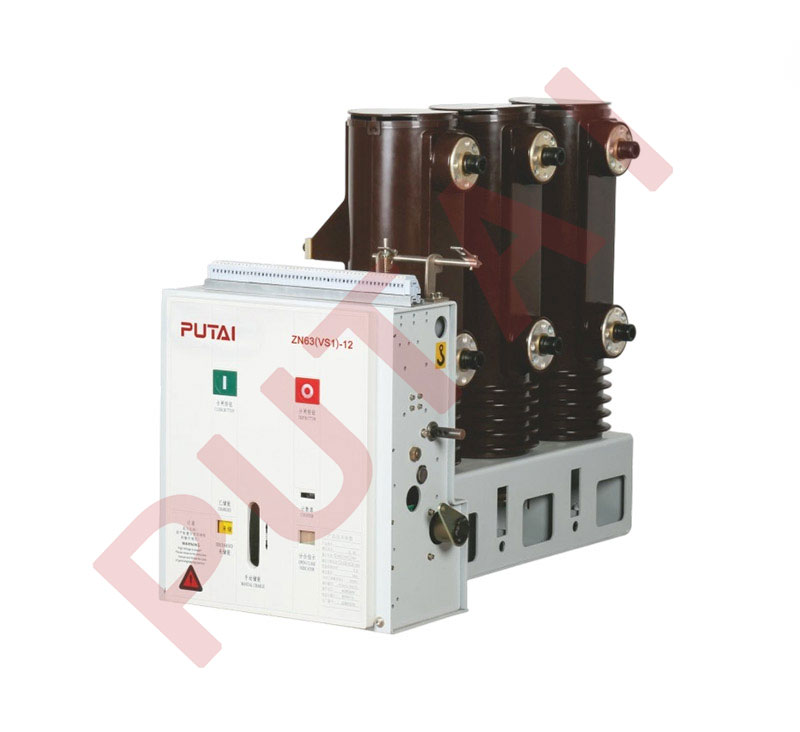
ZN63(VS1)-12 Indoor High Voltage Drawer-Type Vacuum Circuit Breaker
  • Frequent Operation Adaptability:Suitable for environments requiring frequent operations, ensuring efficient and safe system performance.
  • Strong Short-Circuit Protection:Rated short-circuit breaking current of up to 40kA, providing effective protection.
  • Integrated Design:Operating mechanism integrated with the breaker, simplifying installation and maintenance.
  • Compact and Maintenance-Free:Solid-sealed pole design reduces size and ensures maintenance-free operation.
  • Wide Environmental Adaptability:Operates reliably in temperatures from -10°C to 40°C and at altitudes up to 1000m.
  • High Mechanical Life:20,000 operations mechanical life, reducing maintenance needs.
LW35-126 outdoor self-blasthigh-voltage SF₆ circuit breaker
  • Standard Voltage & Frequency: Suitable for 126kV power systems at AC 50Hz/60Hz.
  • Dual Control & Protection: Serves as both a protection device and interconnection breaker.
  • Multi-Standard Compliance: Conforms to GB, IEC, and specific technical specifications.
  • SF₆ Self-Blast Technology: Uses SF₆ as insulation and arc-extinguishing medium.
  • New Spring Mechanism: Equipped with a new-type spring operating mechanism.
  • High Performance: Features strong breaking capacity, low operating power, and high reliability.
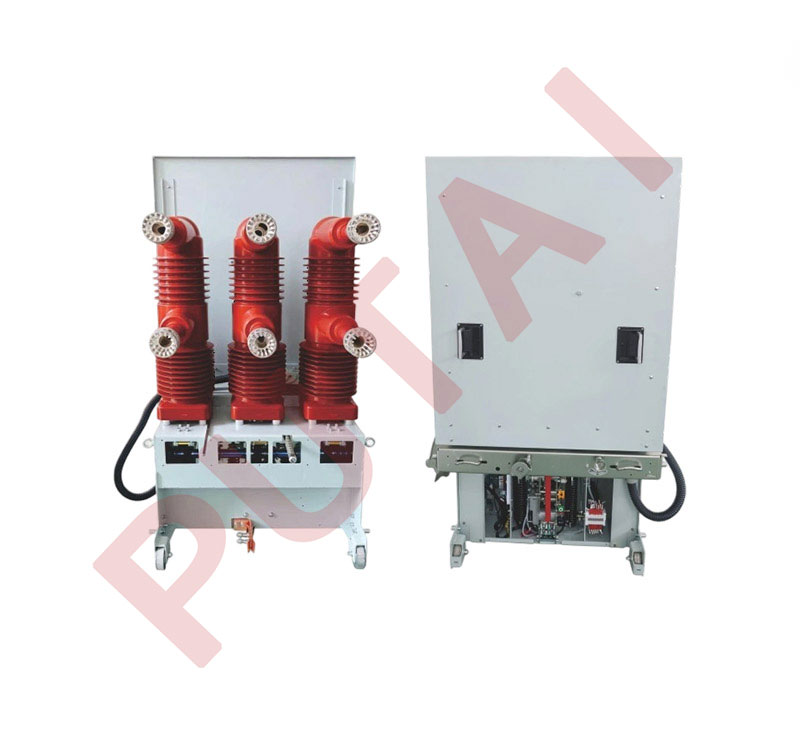
ZN63(VS1)-12 Indoor High Voltage Side-Mounted Vacuum Circuit Breaker
  • Frequent Operation:Suitable for frequent operations and short-circuit breaking.
  • Fixed Installation:Ideal for fixed switchgear, easy to install and maintain.
  • High Short-Circuit Protection:Provides strong protection with up to 100kA breaking current.
  • Long Mechanical Life:20,000 operations, reducing maintenance needs.
  • Wide Applicability:Operates in temperatures from -10°C to 40°C and altitudes up to 1000m.
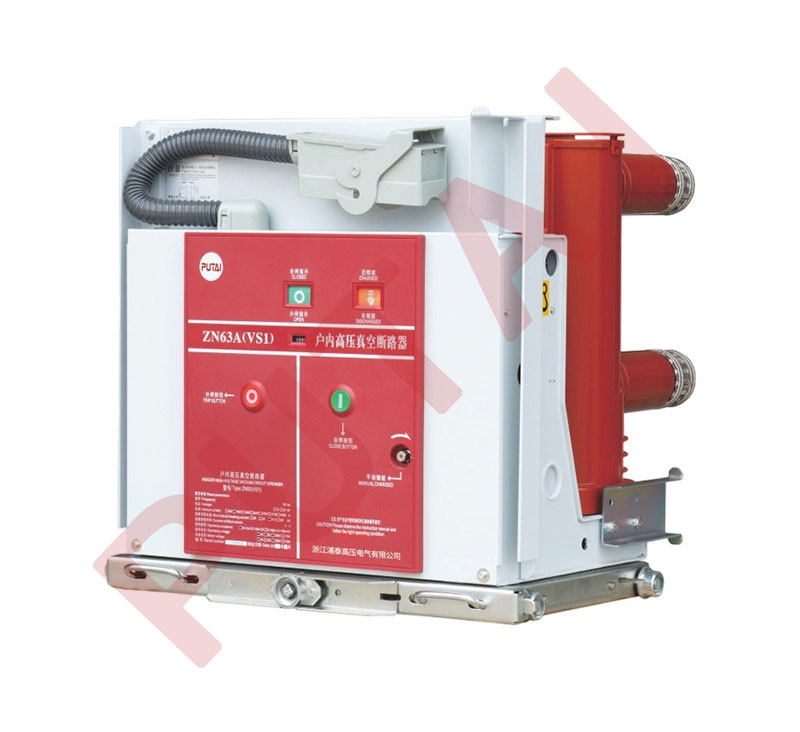
ZN85-40.5 Indoor High Voltage Vacuum Circuit Breaker
  • Compact Design:Vertical arrangement structure reduces depth and saves space.
  • High Reliability:Fixed connections in the main circuit ensure high reliability.
  • Excellent Electrical Performance:Meets air gap and creepage distance requirements with good arc-extinguishing capability.
  • Spring Operating Mechanism:Simple, maintenance-free design for reliable operation.
  • Wide Applicability:Suitable for frequent operations and demanding conditions.
Inquiry Basket()
GET IN TOUCH NOW
Captcha Code
We value your privacy
We use cookies to provide you with a better online experience, analyse and measure website usage, and assist in our marketing efforts.