
In high-voltage switchgear , the contacts are the most critical components responsible for conducting and interrupting electrical current. During each operation, contacts must withstand immense current, intense arcing erosion, and severe mechanical stress. Consequently, the scientific selection of contact materials directly determines a circuit breaker's electrical lifespan, breaking capacity, contact resistance stability, and long-term operational reliability. The evolution from classic copper alloys to high-performance composite materials epitomizes the technological advancement of switchgear.
For load break switches and circuit breakers with lower short-circuit current requirements, copper-based alloys offer a cost-effective and reliable solution. Copper-chromium (CuCr) alloy, for instance, is widely used. The addition of chromium significantly enhances the material's hardness, arc erosion resistance, and anti-welding properties while maintaining good conductivity. Another common choice is copper-tungsten (CuW) alloy. Its exceptional hardness and high melting point make it perform outstandingly under high-energy arcing, particularly suitable for vacuum interrupters, albeit with higher processing difficulty and cost.
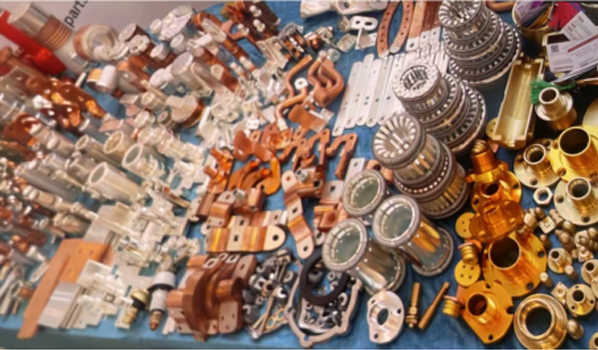
In applications demanding ultimate performance, silver-based composite materials demonstrate unique advantages. For example, silver tin oxide (AgSnO₂), while retaining silver's excellent conductivity, utilizes its oxide particles to effectively suppress arcing, reduce material transfer and erosion, thereby improving the contact's electrical endurance and anti-welding capability. For special applications, such as DC breaking or frequent operations, materials like silver tungsten carbide (AgWC) provide more reliable solutions due to their superior thermal stability and wear resistance.
Therefore, selecting contact materials is far from a simple specification check; it is a precision engineering task that requires balancing voltage level, breaking current characteristics, operational frequency, and budget. The right material ensures the switch maintains stable contact resistance and reliable dielectric recovery strength throughout its entire lifecycle, from the first closing operation to tens of thousands of cycles later.
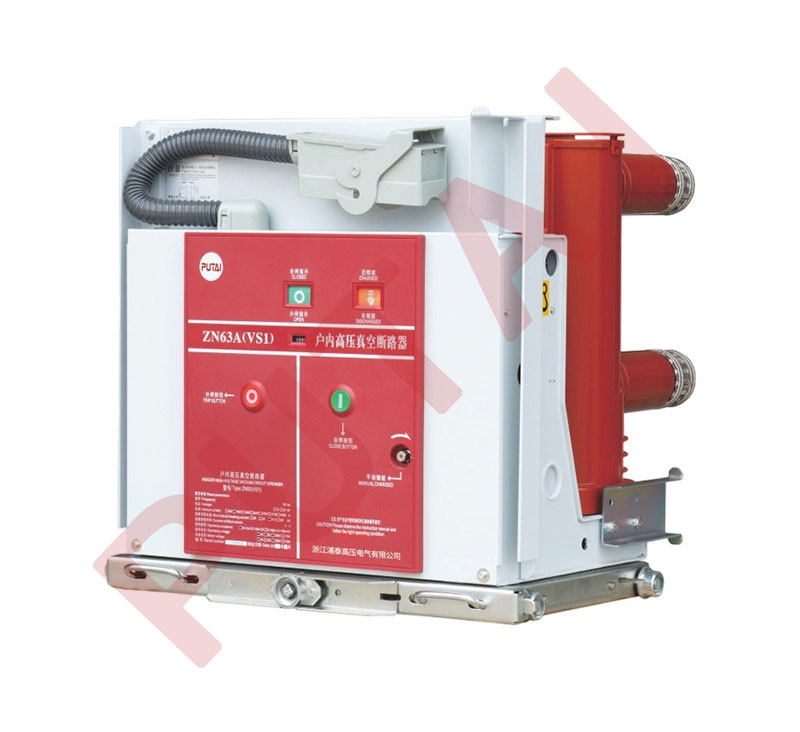
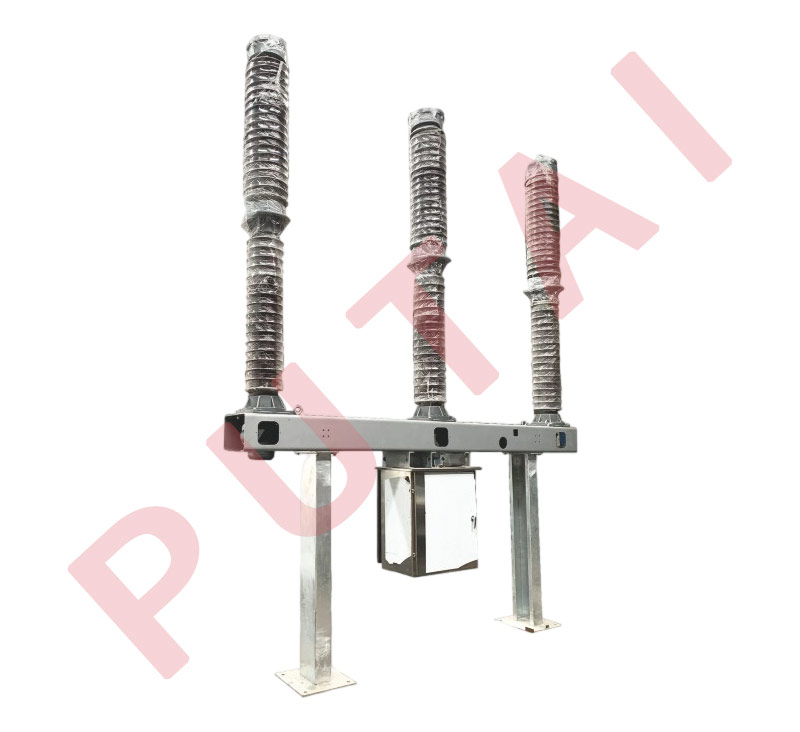
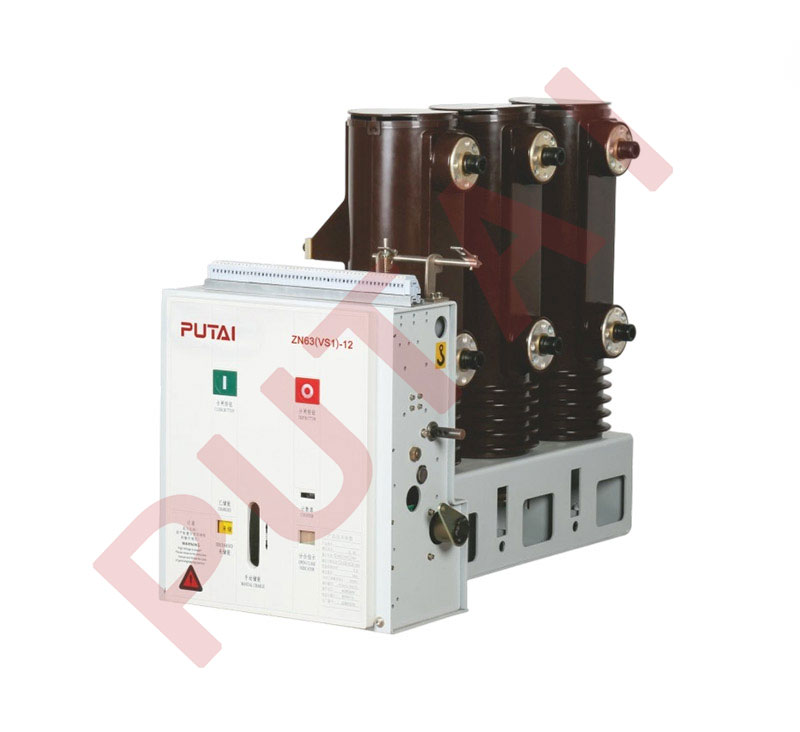
Putai rigorously selects the optimal contact material solutions based on application scenarios in its switchgear design and also supports customization and the supply of related medium-voltage accessories to meet system integration needs. For assistance in choosing the most reliable core components for your project, please contact our technical team for an in-depth discussion.(Article content references network resources.)

 English
 Pусский
 Español